NEWSLETTER – 2026 Q3

Advisor Desk

This quarter, I want to use the Advisor Desk for something a bit different. The usual quarterly updates on the Fed (rates went up, which has put pressure on bonds), stock market (essentially flat), and gold (up slightly) are included in further sections of the newsletter and continue to be areas that we monitor and advise on daily.

Scholar recently passed the seven-year milestone which included thousands of conversations related to money, spending, investments, and personal goals. With enough conversations about money, something starts to become clear: there are clearly defined wealth paths that we tend to take, and because of that, our unique path we think we are on may not be as unique as we think.

What I mean is that the things we reach for, the milestones that feel personally meaningful, the financial decisions that seem to reflect our unique circumstances and values, tend to follow remarkably consistent patterns across very different people. And understanding those patterns can be one of the most useful things you do for your own financial life.

Here are a few that I’ve observed. Somewhere around a net worth of $5 million, the conversation almost always shifts toward a second home. It doesn’t matter whether the person grew up in a beach town or a mountain city, whether they travel constantly or rarely. There is something about that threshold that makes the idea feel achievable (it generally is) and suddenly the lake house or the Florida condo appears on the planning radar. Around $10 million, the conversation shifts again. Legacy starts to matter in a different way. It’s no longer just about providing for children; it becomes about leaving something behind, funding a cause, building a name. The vocabulary starts to change as well. We start to discuss donor-advised funds, family foundations, and what their money will say about them when they’re gone. And somewhere past $30 million, the tools change too. Irrevocable trusts, family limited partnerships, the more permanent structures of estate planning come into the picture as the goal shifts from accumulation to protection, and from building wealth to making sure the right people receive it in the right way.

What is perhaps most surprising, though, is what doesn’t change. Spending. Specifically, the baseline cost of a comfortable, full life (what I’d call non-discretionary lifestyle spending) tends to plateau somewhere in the range of $250,000 to $300,000 per year for most families. And it doesn’t move linearly with net worth. A family at $6 million and a family at $25 million often spend remarkably similar amounts on the things that make up normal expenses: housing, food, experiences, education, vehicles, health. Above a certain threshold, more money buys more optionality, not more day-to-day satisfaction.

Where the spending does expand is in a fairly narrow set of categories. Past $10 million, the incremental dollars tend to flow toward three things: travel, real estate, and legacy. A longer trip, a better property, a larger gift. The rest of life stays largely the same. You eat at the same restaurants at $10 million that you do at $50 million. You drive similar vehicles. Your grocery store doesn’t change. What changes is the scale of the experiences you pursue, the footprint and meaning of the properties you hold, and the ambition of what you want to leave behind. Understanding this is quite important. It means the life you’re building right now, at whatever stage you’re in, is probably closer to the life you’ll be living at much higher levels of wealth than you might expect. The destination isn’t as foreign as it looks from here.

Why does any of this matter? Because knowing where you are on this map and what tends to come next can help you plan with clarity rather than ambition alone. If you’re approaching a milestone, it’s worth asking whether the next purchase or goal is truly yours, or whether it’s simply the thing that people in your position tend to reach for. Sometimes it’s both, and then we need to consider the expected expense as part of your plan. But occasionally it’s worth pausing to check whether you’re building a life that reflects your actual values, or one that reflects a script that’s been running in the background without your full awareness.

This is some of the most interesting work we do. It’s not the spreadsheets or financial models, but the conversations that help you distinguish between what you want, what you’ve been conditioned to want, and what likely awaits ahead. If you haven’t had that conversation with us recently, I’d encourage you to reach out. The best planning happens when money serves your life, not the other way around.

As always, we are grateful for your trust and available if you have questions. Enjoy the tail end of summer and everything that comes with it.

– Stephan

Stephan Shipe

Stephan Shipe, Ph.D., CFA, CFP®
is the Founder and CEO of Scholar Financial Advising.

Scholar Advising Announcements

Please join us in welcoming three new members of the Scholar Advising team.

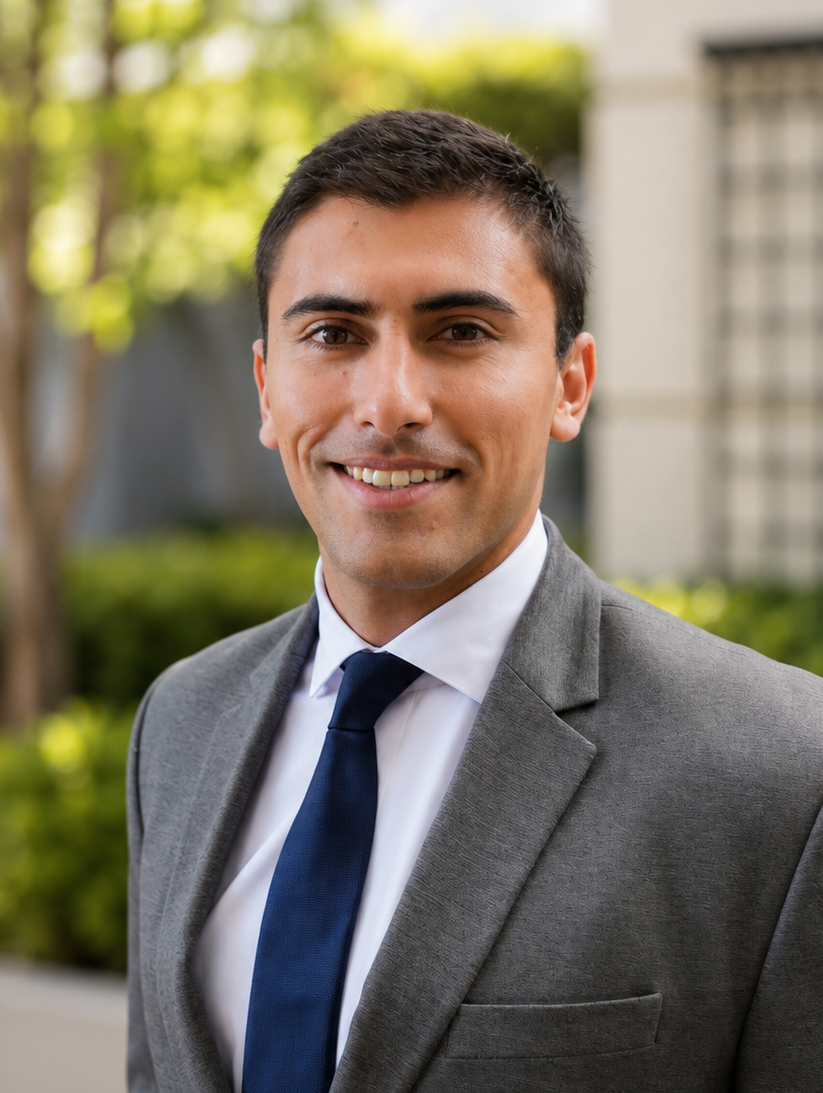
Mauricio Galindo

Mauricio Galindo, MBA

Financial Advising Analyst

Mauricio brings a background in data analysis to the technical work behind each client’s plan. He earned his MBA from High Point University with a concentration in business and data analytics, and came to Scholar from a career as a reliability analyst, finding the weak points in a system before they caused problems. His interests include investment strategy, tax-efficient planning, risk management, and estate planning, especially situations with many moving parts. He has passed the Securities Industry Essentials exam and is pursuing his Series 65 license.

Ross Strickland

Ross Strickland

Financial Advising Analyst

Ross brings a background in accounting and tax to the technical work behind each client’s financial plan. He earned his Master of Science in Accountancy from Wake Forest University, gained experience in public accounting before joining Scholar, and is pursuing CPA licensure. He follows changes in tax policy closely, with a particular interest in how they affect clients’ broader financial, investment, and planning strategies. Outside the office, Ross enjoys golf, billiards, and time with family and friends.

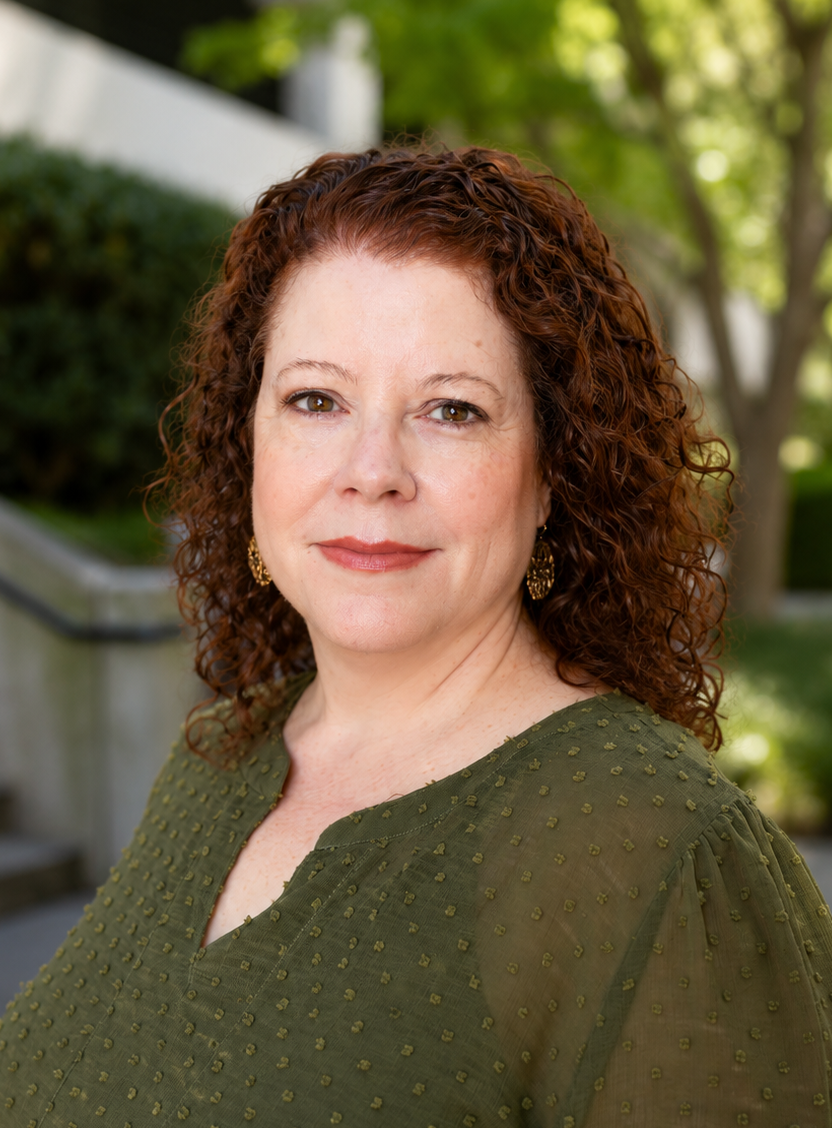
Krista Smith

Krista Smith

Office Coordinator

Krista helps keep Scholar Advising organized, connected, and running smoothly. She brings more than a decade of experience supporting executives and leadership teams in higher education and the private sector, with a background in business operations, communications, and project and event coordination. Known for anticipating needs, Krista believes exceptional support often happens before anyone has to ask for it. Outside of work, she enjoys time with her family, cooking and baking, home projects, and making things a little more beautiful than she found them.

A street in Coral Gables, Florida

Save the Date

Personal Wealth Conference 2027

February 3–5, 2027  |  Coral Gables, Florida

A private, curated gathering of clients and families for two days of focused conversations on markets, strategy, and long-term wealth planning.

The conference opens with a welcome reception on Wednesday evening, followed by two days of sessions on Thursday and Friday.

This event is intentionally small and discussion-focused. There are no sponsors, no sales pitches, and no large expo halls. Just substantive conversations, expert-led sessions, and meaningful connection among attendees.

Attendance & Registration

Sign up for early updates on next year’s conference and a notification as soon as registration opens.

Get Conference Updates

From the Studio

Scholar Wealth Podcast

The latest Scholar Big Picture segment arrives this week. Watch it on YouTube this Friday, October 2, or listen on Apple Podcasts and Spotify starting Monday, October 5. Stephan and Deon Strickland, our in-house economist, discuss the Fed’s latest rate increase under Chair Kevin Warsh, whether bonds still work as a portfolio’s shock absorber, where gold fits as risk management, the commercial real estate loans coming due at higher rates, and the rise of tokenized stocks. Subscribe on your preferred platform to get a notification as soon as it is published.

Since our last newsletter, From the Field has taken us well past the usual planning conversations. Maureen Downey, one of the foremost authorities on counterfeit wine, explained why an estimated 20 percent of fine wine on the secondary market is fake. Sophia du Brul walked us through luxury handbags as an investment-grade category. And Anthony Bolognese of Capitol Hill Clothiers talked suits built with removable Kevlar panels.

On the listener side, this quarter’s questions covered selling a business, family loans, dynasty trust costs, IPO allocations, and one listener’s 70,000-scenario Monte Carlo simulation that he hoped would settle his retirement date.

Listen on Apple Podcasts, Spotify, or YouTube. Have a question of your own? Submit it for the show and we may answer it in a future episode.

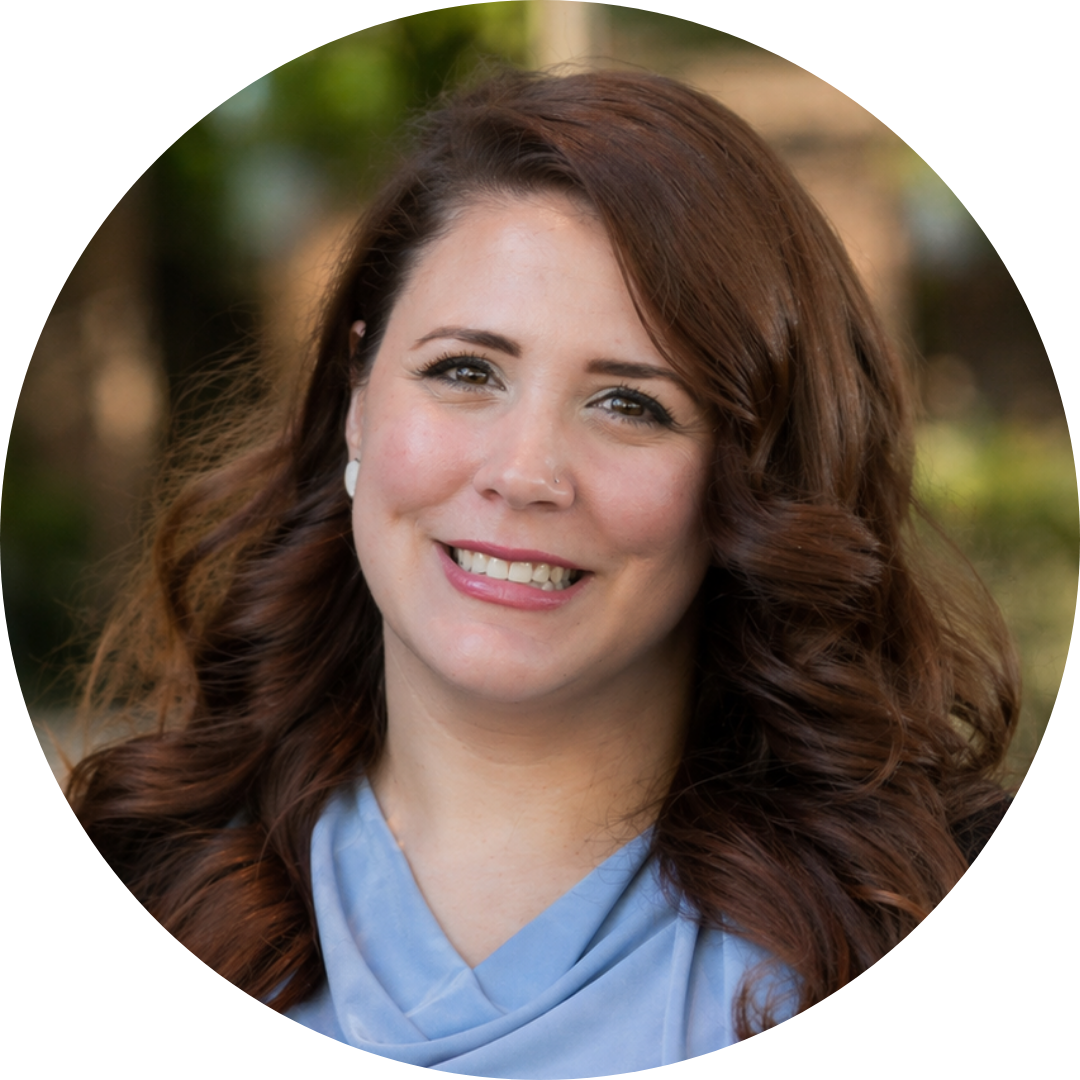
Erin Eaton

Erin Eaton
is the Director of Communications at Scholar Financial Advising.

Things We Are Watching

From Noah Lewis

Bond yields have climbed materially again, making fixed income one of the more important stories of the quarter. The Federal Reserve raised its target rate by 0.25% in September to 3.75%–4.00%, while the 10-year Treasury has been hovering around 5%. For investors, that creates an unusual mix of opportunity and pressure: high-quality bonds are once again offering attractive income, but elevated yields also suggest that inflation concerns have not gone away and that financial conditions may stay tighter for longer than markets once expected.

Perhaps the most interesting counterpoint has been the resilience of the equity market. Despite higher oil prices, elevated Treasury yields, tighter Fed policy, and ongoing geopolitical uncertainty, the S&P 500 has remained near record levels. Strong corporate earnings and resilient economic activity have helped support that backdrop, but the disconnect between relatively calm equity markets and a more complicated macro environment is worth watching. It will be interesting to see whether earnings can continue carrying the market through higher rates and energy costs or whether those pressures eventually begin to show up more clearly in equity prices.

Oil prices remain one of the clearest market reflections of geopolitical uncertainty. Brent crude has been trading around the low-$100s in late September, after briefly moving above $108 as investors reassessed the outlook for the conflict and the Strait of Hormuz. Prices have reacted quickly to each shift in expectations around supply and diplomacy, and it will be important to see whether a more durable easing in tensions can remove some of that risk premium or whether elevated energy prices remain an inflation concern into year-end.

The Iran conflict still matters, but the more useful question now is how much confidence markets should place in each new round of negotiations. Diplomatic efforts remain active, but the two sides are still divided on key issues, and President Trump recently rejected Iran’s latest proposal related to reopening the Strait of Hormuz. Talks may resume this week, and we will be watching whether any future agreement reduces pressure on oil prices, shipping risk, and inflation expectations.

One of the clearest places higher rates are showing up is housing. The average 30-year fixed mortgage reached 7.03% in late September, keeping financing conditions restrictive for buyers who had been hoping for more relief. Even for buyers with more flexibility around financing, higher borrowing costs can affect the timing of second-home purchases, relocations, real estate investments, and other large transactions. It will be interesting to see whether greater inventory and negotiating flexibility are enough to offset financing costs or whether elevated mortgage rates continue to keep activity subdued.

Noah Lewis

Noah Lewis
is a Financial Advisor at Scholar Financial Advising.

What We Are Reading

Jeff Bezos’ Blue Origin Is Boosting Employee Pay to Compete With SpaceX, but an Advisor Warns of ‘Golden Handcuffs’
Everyone’s Talking About the K-Shaped Economy. Here’s What It Means
The ‘Biggest Issue’ Lurking Behind Your Target-Date Fund
My Mom Is Convinced She Can’t Afford to Retire

Ask an Advisor

In this edition, Evan Mills discusses the topic:
Are Bonds Still the Ballast of a Portfolio?

We’ve been getting many questions about whether bonds remain portfolio ballast and still offer diversification relative to stocks. To answer that, it helps to understand how bonds work, what their role in the portfolio is, and whether they’re still doing it.

Correlation Tells Only Half the Story

Bonds are meant to help stabilize the risk associated with stocks. In 2022, when both stocks and bonds declined together, many investors started to wonder if bonds were still doing their job, and that questioning is fair. Many people view diversification through the lens of correlation, and while correlation is very important, it tells only half the story. Correlation tells you if two assets move together and the direction of their movement, but not necessarily the size of that movement. If both stocks and bonds fall, the magnitude of the decline is almost as important to the investor as the direction. Positively correlated assets don’t carry equal risk. You can still use bonds to dampen the fall that comes from stocks. They’re just not meant to be a perfect hedge against all economic turmoil.

When Stocks and Bonds Fall Together

Stocks and bonds can fall together when inflation is running high. Say inflation is running high, like in 2022, and interest rates are rising. That pushes down existing bond prices, and stock valuations can come under pressure as higher rates and inflation weigh on them. What most people picture when we talk about bonds diversifying a portfolio is stocks and bonds moving in opposite directions. That tends to happen during slow economic growth. You could see stocks decline, interest rates fall to stimulate the economy, and existing bond prices rise. But even when both are falling together, you can still be diversified. It’s the magnitude and volatility of that fall that should matter to investors.

Not All Bonds Are the Same

Not all bonds are going to behave the same, especially in times of economic turmoil. U.S. Treasury or high-quality bonds tend to give you more of the diversification many investors are looking for during market uncertainty, while high-yield bonds tend to act more like equities during that time. If people hold high-yield bonds in search of higher returns, they may not get the same downside protection they expect from higher-quality bonds. They own bonds, but not necessarily the ones that will dampen the fall. So if stocks fall 20%, high-quality bonds could fall much less. But depending on the bonds you own, a more speculative bond allocation could have a much larger drop because it carries more credit risk.

A Different Starting Point Than 2022

Today’s starting point is a little bit different than 2022. Back then, rates were so low that when interest rates started to go up, the income people were earning gave them little cushion to dampen a fall. Today, bond yields are already high. Even with people being pretty stressed about stocks and bonds being positively correlated right now, investors have more income to help cushion a fall.

Final Thought

I think bonds should still be seen as the ballast of the portfolio. They help with liquidity, diversify against stock market risk, generate income, and reduce volatility. A ballast is meant to dampen the fall, and it’s no guarantee against loss. Correlation is just telling you the direction. The magnitude and volatility indicate how much that movement affects the portfolio.

Evan Mills

Evan Mills, MBA
is a Financial Advisor at Scholar Financial Advising.

Reminders

A note for current clients.

We recently sent a rate change notice to all current clients. If you did not receive it, please reach out and we will make sure you have a copy.

Referring someone you care about.

If a friend, family member, or colleague could benefit from thoughtful, fiduciary advice, we are always happy to have an introductory conversation. You can submit a referral here.

Need more help?

Contact us to inquire about professional recommendations, including CPAs and estate attorneys.

Contact Us

What’s Next?

Every engagement begins with a brief intake form so your advisory team can prepare ahead of time and align the conversation to your financial picture and goals. From there, you receive a tailored proposal built around your specific situation, walked through with you in detail so every question is answered before any commitment is made.